Sony So-Net Data Breach 2.58 Million Explained: What Leaked, What Didn't, and What to Do (World Tech)
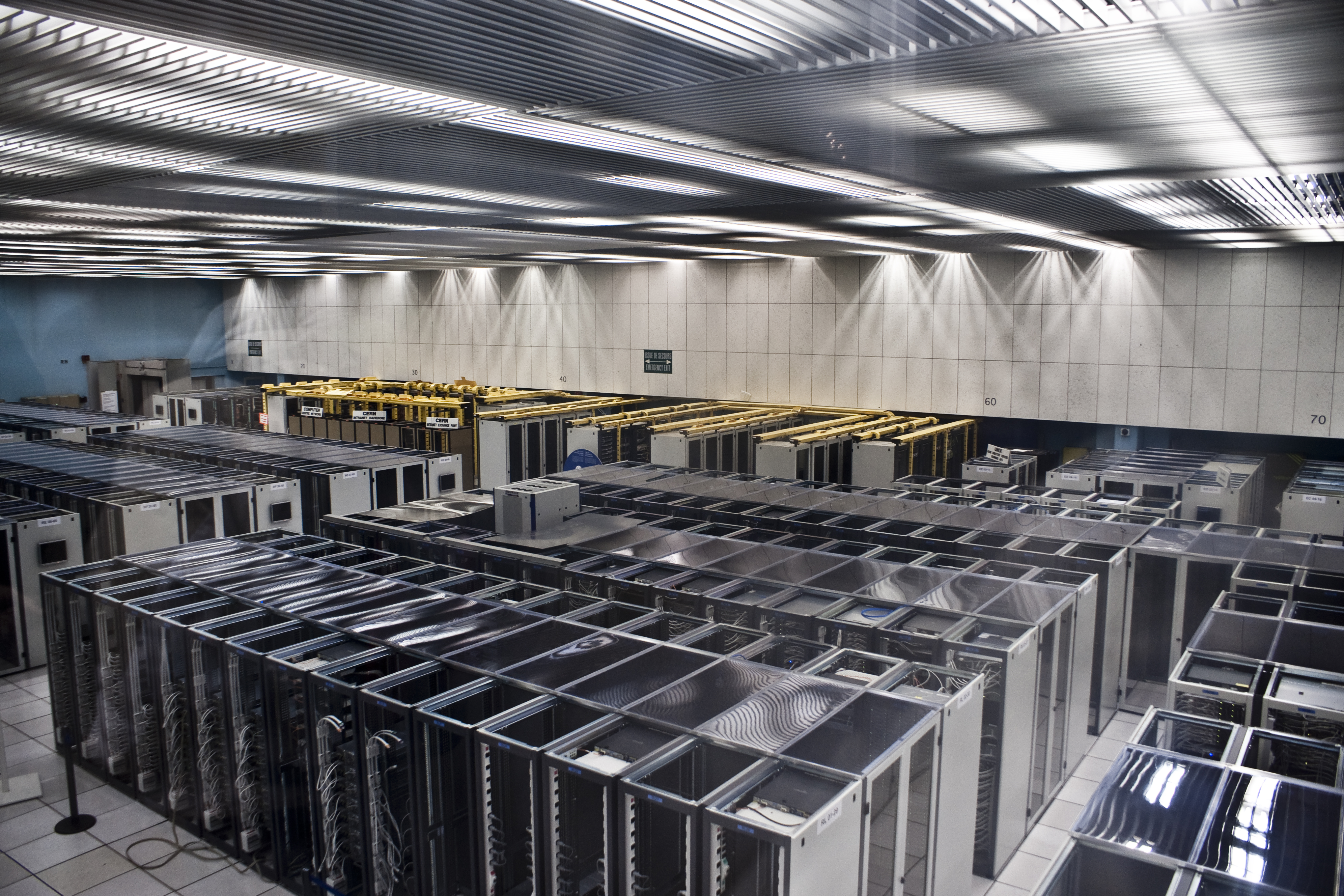
Illustrative image: servers in a data centre. Image: Wikimedia Commons. This is a stock server-room photograph — NOT a photo of Sony's or So-net's systems, which have no verified license-safe direct image URL for by-URL use. News-site photos are never hotlinked.
TL;DR: Sony So-net data breach 2.58 million explained in one line: Sony Network Communications has confirmed that unauthorised access to its So-net member database on 19 October 2026 exposed 2,585,481 customer records from its Japanese internet services So-net and plala — including 54,401 leaked email passwords and 16 bank account records — while PlayStation Network accounts were not affected.
📌 KEY HIGHLIGHTS
- Scale: 2,585,481 records exposed — 2,141,986 from So-net and 443,495 from plala (S Course), covering current members and former members who cancelled from March 2026 onwards.
- The worst part: email addresses and passwords for 54,401 accounts across four legacy So-net email services were leaked — and Sony has already reset those passwords.
- Also exposed: 16 bank account records with account numbers, plus seven password-reset notices. No credit card data and no bank PINs were involved.
- What did NOT leak: passwords for the main So-net member accounts, and PlayStation Network accounts are not part of this breach.
- Timeline: unauthorised access on 19 October, intrusion confirmed 23 October, leak confirmed 24 October, public disclosure and password resets on 27 October.
Sony So-net data breach 2.58 million explained: what happened
Sony Network Communications, the Sony Group company that runs the Japanese internet services So-net and plala, disclosed on 27 October 2026 that an outside party had gained unauthorised access to its So-net member database. The access took place on 19 October. The company says it confirmed the intrusion on 23 October, shut down the affected server and blocked the attacker's connections, and confirmed on 24 October that personal information had leaked. It reported the incident to Japan's Personal Information Protection Commission and apologised to customers.
So-net and plala are broadband and email providers in Japan, not gaming services — which is why the breach matters most to their subscribers, while PlayStation players are explicitly out of scope. The plala records come from plala (S Course), the Docomo Hikari partner service whose customer management Sony Network Communications handles. One detail worth understanding: the headline figure counts records, not necessarily distinct people, and the 54,401 email accounts with leaked passwords are a subset of those same members, not extra victims on top.
What was leaked — and what was not
The exposed member records contain the kind of personal details that make phishing and impersonation easy: names, phone numbers, email addresses, user IDs, dates of birth, gender and internet connection IDs. The table below separates what Sony confirmed as leaked from what it says stayed safe — the distinction matters, because early headlines blurred the two.
| Category | Exposed? | Detail |
|---|---|---|
| So-net member records | Yes — 2,141,986 | 1,869,771 current members + 272,215 former members (cancelled from March 2026) |
| plala (S Course) records | Yes — 443,495 | 422,365 current members + 21,130 former members (cancelled from March 2026) |
| Email passwords (4 legacy services) | Yes — 54,401 accounts | Email Service (G) 24,655; A-Box 17,672; So-net VAIO Mail 7,005; PostPet Mail 5,069 — reset by Sony on 27 October |
| Bank account records | Yes — 16 | Bank name, branch, account type, number and holder name; no PINs (Sony says it does not store them) |
| Password-reset notices | Yes — 7 | Reset communications, already invalidated by Sony |
| Main So-net member account passwords | No | Sony says these were not part of the leaked data |
| Credit card numbers / expiry dates | No | Sony says its investigation found no evidence of exposure |
| PlayStation Network accounts | No | PSN is a separate service and is not part of this breach |

Illustrative image: a data centre corridor. Image: Wikimedia Commons. A stock photograph, not Sony's or So-net's infrastructure.
Why it matters for World readers — including in India
This is a Japan-only customer base, but the lessons travel. First, cancelling a subscription did not end the exposure: nearly 293,000 former members who cancelled from March 2026 onwards are in the leaked data, because providers keep former-customer records on live systems. Second, the leaked fields — name, phone, email, date of birth — are exactly the raw material for convincing phishing messages and identity fraud, even where no password leaked. Anyone reusing a So-net email password elsewhere should treat that password as compromised and change it everywhere, not just on So-net.
Third, the eight-day gap between the 19 October access and the 27 October disclosure is now the standard pattern for big breaches: detection, containment and confirmation take days, and customers learn last. And fourth, it is the second large Japanese breach disclosed in days — Sony's disclosure follows the GMO Onamae desktop-cloud breach covered earlier on TechByCountry — a reminder that ISP and cloud customer databases remain high-value targets. For Indian readers, the direct parallel is closer than it looks: Indian ISP and telecom databases hold the same fields, and the same phishing wave follows every such leak.
Should you care?
✅ Verdict: act if you are a So-net or plala customer — past or present — and learn from it if you are not. If you held either service, change any password you reused from those email accounts, switch on two-factor authentication, and treat unexpected messages quoting your personal details as phishing until proven otherwise. If you are not a customer, the takeaway is simpler: your old accounts at cancelled services are still live targets, so unique passwords and a password manager matter more than any single company's apology.
What to do now if you are affected
Sony has already reset the 54,401 leaked email-service passwords, so affected users should set a new, unique password through So-net's official channels — never through a link in an unsolicited email. Check bank statements if you are among the 16 bank-record cases, and watch for phishing that uses your name, phone number or date of birth to sound legitimate. Sony itself advises customers not to click suspicious links while its investigation continues. The investigation is still open, and the company has not disclosed how the attacker got in — so further updates to this post will follow if Sony adds detail.
For the wider picture on this week's breach wave, see our GMO Onamae desktop-cloud breach explainer, our Microsoft 365 token-spraying attack explainer, and our Magento PolyShell vulnerability explainer.
FAQs
What happened in the Sony So-net data breach?
An unauthorised party accessed Sony Network Communications' So-net member database on 19 October 2026. The company confirmed the intrusion on 23 October, confirmed personal data had leaked on 24 October, and disclosed the breach publicly on 27 October, after shutting down the affected server and reporting to Japan's Personal Information Protection Commission.
Were PlayStation Network accounts affected by the So-net breach?
No. Sony Network Communications runs the So-net and plala internet services, which are separate from PlayStation Network. Multiple reports confirm PSN accounts are not part of this breach, though resetting a PSN password is harmless if you want extra peace of mind.
What data was leaked in the Sony So-net breach?
2,585,481 member records containing names, phone numbers, email addresses, user IDs, dates of birth, gender and internet connection IDs; email passwords for 54,401 accounts on four legacy email services; 16 bank account records; and seven password-reset notices. Main member-account passwords and credit card data were not leaked, according to Sony.
What should So-net and plala customers do now?
Set a new, unique password for any affected email account through So-net's official site, change the same password anywhere else you reused it, enable two-factor authentication, and be suspicious of messages that quote your personal details. Sony has already reset the 54,401 leaked email passwords and invalidated the password-reset notices.
Were bank details or credit cards exposed in the So-net breach?
Sixteen bank account records — including bank name, branch, account number and holder name — were exposed, but no bank PINs, since Sony says it does not store them. No credit card numbers or expiry dates were found in the leaked data, according to Sony's investigation.
Takeaway: The So-net breach is a warning about data you no longer think about — former customers, old email accounts and reused passwords are where a breach like this actually hurts.
Follow World Tech on TechByCountry for tomorrow's update.
📸 Get tech in the last 24 hours on Instagram — follow @_techinlast24hrs for daily posts (9 AM–9 PM) and reels at 12:30 PM & 8:30 PM.
Sources
- Beebom — Sony Data Breach Hits 2.58 Million Users, Bank Account Details and Passwords Exposed (27 Oct 2026)
- Tech Times UK — Sony Exposes Thousands of Email Passwords in Breach Affecting 2.58M Records (27 Oct 2026)
- Gadget Review — Sony Data Breach Hits 2.58 Million So-net and Plala Users (27 Oct 2026)
- Times of India — Sony data breach: 2.58 million users affected as bank details and passwords exposed (27 Oct 2026)
- Cyber Security News — Sony Suffers Massive Data Breach: 2.58 Million So-net and Plala Users Data Exposed (28 Oct 2026)
Comments
Post a Comment