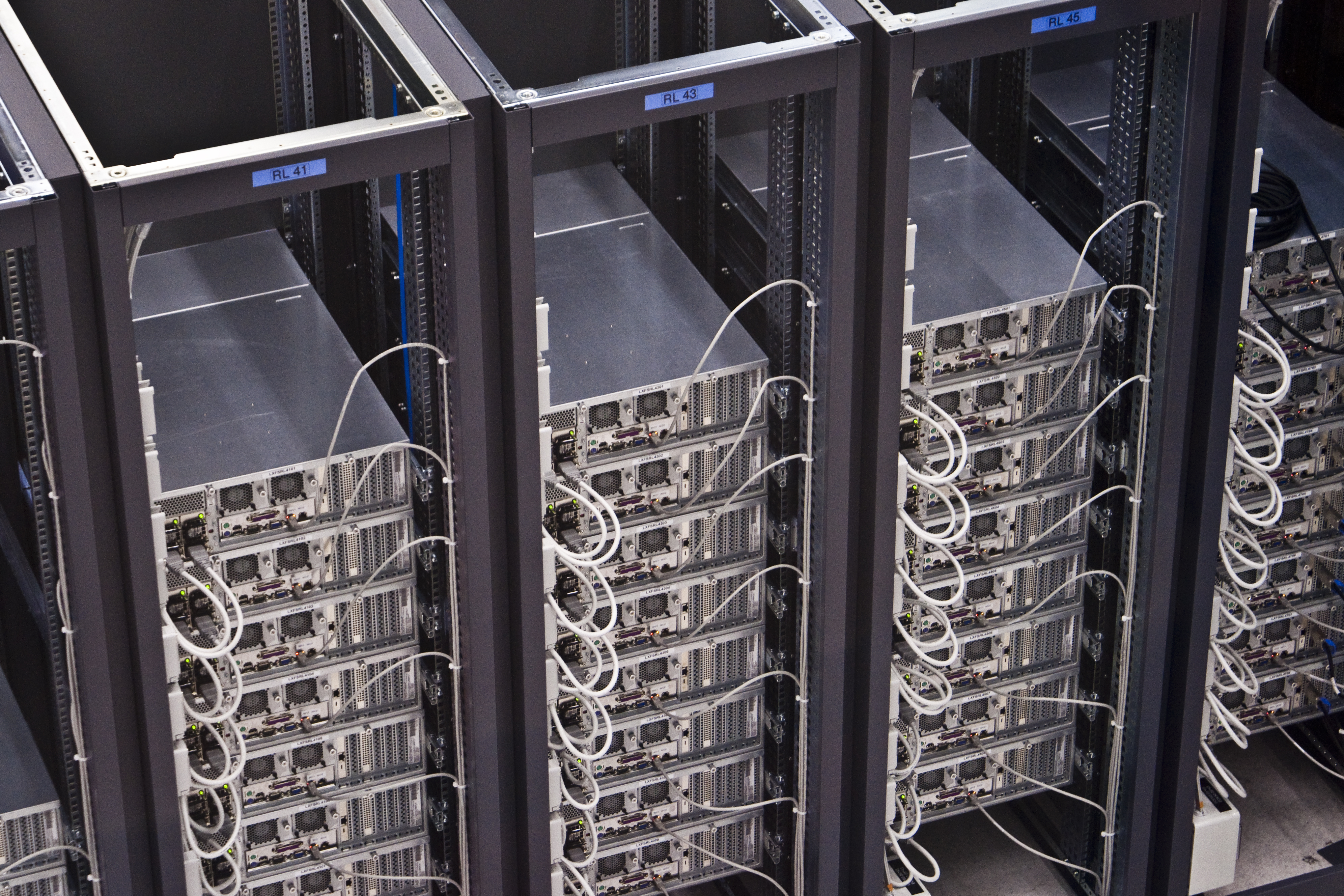
Image: Wikimedia Commons / Florian Hirzinger (ILLUSTRATIVE — a server room, not Northflank systems; the breach concerns stored secrets, not hardware).
TL;DR: Northflank breach rotate all secrets explained: on 30 October 2026 the cloud hosting platform told every customer to assume all environment variables had been decrypted and to rotate every secret immediately. Customers then reported their stored AI API keys being used without permission. Northflank has still not said how attackers got in or how many accounts were hit — so rotation, not reassurance, is the fix.
📌 KEY HIGHLIGHTS
- Disclosed 30 October 2026: Northflank posted a security incident after a threat alert from cloud security firm Wiz, and told customers to rotate everything.
- The blunt instruction: "Assume all environment variables have been decrypted. Disable/rotate all keys" — covering workload secrets, secret groups and global secrets.
- Real misuse confirmed: multiple customers reported their AI API keys being used by someone else; Northflank repeated the warning late on 30 October.
- Still unknown: no root cause, no named attacker, no count of affected customers — the incident was still open as a major outage into 31 October.
- Part of a pattern: Wiz counts nine AI developer platforms that disclosed incidents in October 2026, with stolen keys tested within about 30 minutes.
What happened?
Northflank is a cloud platform where developers deploy applications, databases and background jobs — and where those workloads keep the secrets they need to run, including API keys for AI models, database passwords and cloud credentials. On 30 October 2026, Northflank's incident timeline shows a threat alert from Wiz arriving at 11:43 UTC, engineers looking at it a minute later, a first network policy patch at 12:02, further patches at 12:50 and 13:05, and a request for Wiz's incident response help at 13:00. At 13:40 the company told customers to rotate their environment variables immediately. Eighteen minutes later the advice got blunter: assume every environment variable had been decrypted.
By that evening, the warning had turned into confirmed damage. Northflank said multiple users were confirming that their AI keys had been used, and at 23:38 GMT its status page repeated that users had reported unauthorised use of AI API keys supplied to the platform. The guidance since then has stayed unchanged: revoke the credentials with the provider that issued them, generate replacements, update the affected secrets and workloads in Northflank, and check AI provider usage and billing logs for activity you cannot explain.
Northflank breach rotate all secrets explained: what to rotate, and in what order
The order matters, and it is the detail most people get wrong. Rotating a value inside Northflank alone does not kill the old key — the stolen copy keeps working until it is revoked at the source. Northflank's own guidance says it plainly: revoke existing credentials with their issuing providers first, then generate replacements and update the workloads.
| Step | What to do | Why it matters |
|---|---|---|
| 1. Revoke at the source | Delete or revoke each AI API key, cloud credential and database password with the provider that issued it | A stolen key works until the issuer kills it, wherever it is stored |
| 2. Issue replacements | Generate new keys and update workloads, secret groups and global secrets in Northflank | Restores service on keys only you hold |
| 3. Rotate database add-ons | Use Northflank's one-click rotation for PostgreSQL, MongoDB, MySQL, Redis, MinIO and RabbitMQ add-ons | Database credentials in env vars are as exposed as API keys |
| 4. Lock down exposure | Disable public access to database add-ons where it was enabled | Removes the easiest path back in |
| 5. Check the logs | Review Northflank audit logs (now on for all customers, including free accounts) plus AI provider usage and billing logs | Finds spend or access you cannot account for before the bill does |

Image: Wikimedia Commons / sylvar (ILLUSTRATIVE — a server room; Northflank has not published images of its own infrastructure relating to the incident).
Why it matters for World Tech readers
Northflank is the ninth name on a grim October list. Wiz's "Black October" research counts at least nine AI developer platforms that disclosed security incidents during the month — Fireworks AI, Andromeda, Zeabur, Lightning AI, OpenCode, Railway, Warp, CommandCode and Northflank — with attackers going after the stored environment variables where customers keep the secrets that unlock paid AI models. Wiz found no single vulnerability or group linking all nine, and has not said one group is behind them all. But the economics are consistent: in two cases Wiz traced, a stolen key was first tested within about 30 minutes of being taken, and those two keys alone ran up more than $100,000 at list price in unauthorised AI usage.
That is why Northflank's "rotate everything" advice is the right default for everyone, not just its customers. The same week brought our Chainalysis breach explainer and our Ivanti Connect Secure zero-day chain explainer — October 2026 has been a month where the platforms developers trust with secrets keep proving to be targets. If you keep an API key, database password or cloud credential in any hosted platform's environment variables, the safe assumption after any disclosure from that platform is that the value is gone. You rotate first and investigate later.
Should you care?
✅ Verdict: Yes, if you run anything on Northflank — revoke every key at its issuer, replace it, and check your AI billing today, because customers have already seen their keys abused. If you are not a Northflank customer, treat this as the month's clearest lesson: a secret stored in a platform is only as safe as that platform, and stolen AI keys get spent within minutes, not weeks.
FAQs
What happened in the Northflank breach? On 30 October 2026, after a threat alert from Wiz, Northflank disclosed a security incident and told all customers to assume their environment variables had been decrypted and to rotate all secrets immediately. Customers later reported unauthorised use of their stored AI API keys.
Were my AI API keys stolen in the Northflank incident? Northflank has not published a count of affected customers, so there is no list to check against. Its guidance covers everyone: assume every stored secret was exposed, revoke each key with its issuing provider, and check AI usage and billing logs for unexpected activity.
How do I rotate secrets after the Northflank breach? Revoke the old credential with the provider that issued it first — editing the value inside Northflank alone does not kill the stolen copy. Then generate a replacement, update the workload, secret group or global secret, rotate database add-on credentials with Northflank's one-click tools, and review the audit logs.
Is Northflank safe to use now? Northflank has pushed network policy patches, enabled secret rotation for its database add-ons and switched on audit logs for all customers including free accounts, but it has disclosed no root cause and the incident remained open into 31 October. Treat the platform as recovering, not cleared, until it publishes what actually happened.
Takeaway: The worst instruction a hosting company can give is "rotate everything" — and Northflank gave it for a reason. Revoke at the source, replace, then check the bills.
Follow World Tech on TechByCountry for tomorrow's update.
📸 Get tech in the last 24 hours on Instagram — follow @_techinlast24hrs for daily posts (9 AM–9 PM) and reels at 12:30 PM & 8:30 PM.
Sources
- TechBroz — Northflank breach: customers' stolen AI API keys abused (1 November 2026)
- TSN — Northflank Security Incident: Rotate Every Secret Now (31 October 2026)
- Que — Black October: Nine AI Developer Platforms Breached as Hackers Hunt for AI Keys (2 November 2026)
- DEV — Black October: 9 AI Dev Platforms Were Breached. Rotate Your Keys Today (31 October 2026)
Comments
Post a Comment