TRAI Draft AI Guidelines Telecom India Explained: New Rules for Jio, Airtel, Vi and BSNL, Comments Open Till 27 November
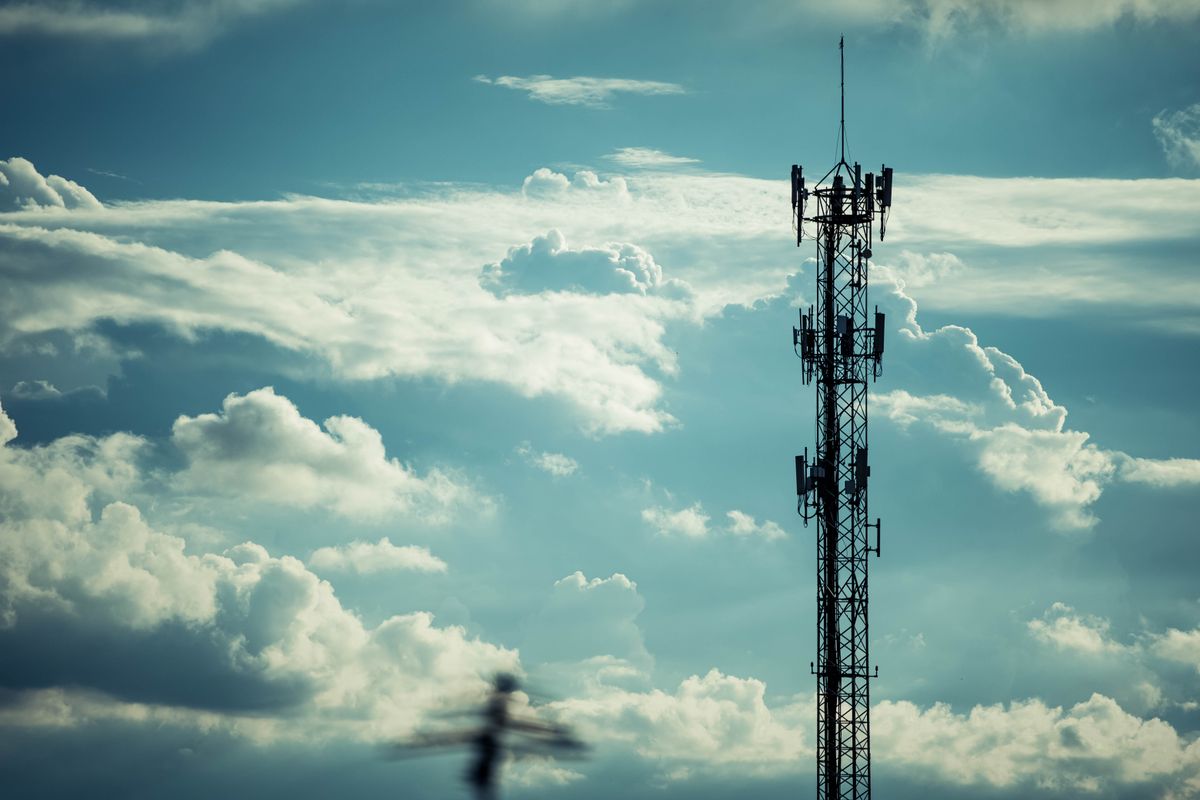
Illustrative image: Pexels — a mobile telecom tower. TRAI's draft is a policy document, so this is an illustrative photo, not an official visual.
TL;DR: TRAI draft AI guidelines telecom India explained: on 30 October 2026, TRAI released draft rules for responsible AI use in telecom networks and services. Jio, Airtel, Vi, BSNL and other licensed operators would need board-approved AI policies, risk-tiered AI systems and incident reporting to the regulator. The draft is open for comments until 27 November 2026 — it is not yet law.
📌 KEY HIGHLIGHTS
- TRAI released the draft "Guidelines on Responsible Use of AI in Telecommunication Networks and Provision of Telecommunication Services" on Friday, 30 October 2026.
- Operators would need board-approved AI policies and a dedicated AI Governance and Safety Committee.
- AI systems must be classified into high, medium and low risk, with serious AI incidents reported to TRAI.
- The framework builds on the Centre's India AI Governance Guidelines (February 2026) and its seven guiding "sutras".
- Stakeholder comments are invited until 27 November 2026; the draft creates no new penalties yet.
What happened?
The Telecom Regulatory Authority of India (TRAI) has released a draft framework for the responsible use of artificial intelligence across telecom networks and services. Published on 30 October 2026 and posted on TRAI's official website for public consultation, the draft aims to bring clarity, predictability and accountability to how telecom companies deploy AI — from network operations to customer-facing services such as chatbots, billing and fraud detection.
The move follows the Government of India's India AI Governance Guidelines, released in February 2026, which set out a national framework for encouraging AI adoption while managing its risks. TRAI's draft translates those national principles into rules tailored to the telecom sector. The regulator has invited written comments from operators, vendors, civil society and academics until 27 November 2026, after which it will decide the final shape of the rules.
TRAI draft AI guidelines: what operators would have to do
Under the draft, any entity holding a licence under the Telegraph Act, 1885, or an authorisation under the Telecommunications Act, 2023 — in practice, Jio, Airtel, Vodafone Idea (Vi), BSNL and other service providers — would be expected to put formal AI governance in place. The headline proposals reported from the draft are:
| Proposal | What it means in practice |
|---|---|
| Board-approved AI policy | Each operator adopts a formal, board-signed policy governing how it builds and uses AI. |
| AI Governance and Safety Committee | A dedicated committee oversees AI deployment and spots vulnerabilities. |
| Risk classification | AI systems are sorted into high, medium and low risk, with stronger controls on higher-risk uses. |
| Incident reporting | Critical and high-severity AI incidents must be reported to TRAI. |
| Human oversight and accountability | Operators remain accountable for the outcomes of AI systems running in their networks. |
Importantly, the draft as reported does not specify new penalties, mandatory AI audits or immediate compliance deadlines. It is a consultation document: the final rules could look different after stakeholder feedback.

Illustrative image: Pexels — a phone connected to a mobile network.
The seven principles behind the guidelines
TRAI's draft is anchored in the seven guiding principles — or "sutras" — of the India AI Governance Guidelines:
- Trust is the Foundation — AI in telecom must be worthy of subscriber trust.
- People First — benefits and protections centre on users, not just operators.
- Innovation over Restraint — rules should enable, not choke, new AI uses.
- Fairness & Equity — AI must not discriminate against subscribers or regions.
- Accountability — someone must answer when an AI system goes wrong.
- Understandable by Design — AI decisions should be explainable to users and regulators.
- Safety, Resilience & Sustainability — AI must not weaken critical telecom infrastructure.
The draft's Part IV gives practical guidance for industry and regulators to turn these principles into day-to-day practice — which is exactly where the consultation matters most, since operators will argue over how strict each requirement should be.
Why it matters for India readers
India's telecom networks serve over a billion subscribers, and AI already touches network planning, spam filtering, customer support and fraud detection. Until now there has been no telecom-specific AI rulebook: this draft is the first attempt at one. For subscribers, the practical upside is accountability — if an AI system wrongly blocks a number, mis-sells a plan or leaks data, there would be a named policy, a committee and an incident-reporting chain behind it. For the industry, it signals that AI governance is coming to telecom regulation, in step with parallel moves such as MeitY's DEPA framework for AI training on sealed, sensitive data and the growing debate over who controls AI training data. Readers following AI safety will also recognise the backdrop: 2026 has seen repeated warnings about autonomous agents acting beyond their instructions, which is why liability and oversight are now central to Indian policy, as covered in our report on OpenAI's agent-monitoring limits.
Should you care?
✅ Yes — if you use a mobile connection in India, or work in telecom or AI. Nothing changes for subscribers on day one, and no new penalties kick in yet. But this draft sets the direction for how AI in your phone network will be governed, and the 27 November comment window is the public's chance to shape it. Watch for the final guidelines after the consultation closes.
What happens next
Stakeholders can send written comments to TRAI — electronically to Akhilesh Kumar Trivedi, Advisor (Networks, Spectrum and Licensing) — until 27 November 2026. TRAI will then consider the feedback before deciding whether to notify final guidelines, revise the draft, or issue a follow-up consultation. Until then, operators face no new binding obligations from this document, but the direction of travel is clear: documented AI policies, risk tiers and incident reporting are coming to Indian telecom.
FAQs
What are TRAI's draft AI guidelines for telecom?
They are a draft framework released on 30 October 2026 for the responsible use of AI in telecommunication networks and services. They propose board-approved AI policies, a governance and safety committee, risk classification of AI systems and incident reporting to TRAI. They are open for comment until 27 November 2026 and are not yet final rules.
What are the seven principles behind India's AI guidelines?
The India AI Governance Guidelines (February 2026) rest on seven sutras: Trust is the Foundation, People First, Innovation over Restraint, Fairness & Equity, Accountability, Understandable by Design, and Safety, Resilience & Sustainability. TRAI's draft applies these principles to telecom.
Do TRAI's AI guidelines apply to Jio, Airtel, Vi and BSNL?
Yes, in scope. The draft applies to entities holding a telecom licence or authorisation, which covers Jio, Airtel, Vodafone Idea, BSNL and other service providers. It governs AI used in their networks and services, not individual subscribers' use of AI apps.
How can I comment on TRAI's draft AI guidelines?
Written comments can be sent to TRAI — electronically to the Advisor (Networks, Spectrum and Licensing) — by 27 November 2026. The full draft is available on TRAI's official website.
TAKEAWAY: TRAI's draft brings India's telecom sector its first AI rulebook — governance, risk tiers and incident reporting, built on the seven national AI principles. It is a consultation, not yet law, and the 27 November deadline is when the industry and public get their say.
Follow India Tech on TechByCountry for tomorrow's update.
📸 Get tech in the last 24 hours on Instagram — follow @_techinlast24hrs for daily posts (9 AM–9 PM) and reels at 12:30 PM & 8:30 PM.
Sources
- The Tribune (PTI) — TRAI releases draft AI guidelines for telecom sector, seeks public comments by November 27
- The Economic Times — TRAI releases draft guidelines on responsible AI use in telecom networks, services
- News9 — TRAI proposes new AI guidelines for Jio, Airtel, Vi and BSNL: What changes?
- NDTV Profit — TRAI releases draft AI guidelines for telecom networks, services; sets Nov 27 deadline for feedback
Comments
Post a Comment